Paint Protection Film in Los Angeles
Help protect painted surfaces from everyday road wear with coverage planned around your vehicle and driving. Request a PPF estimate at our Chatsworth studio.
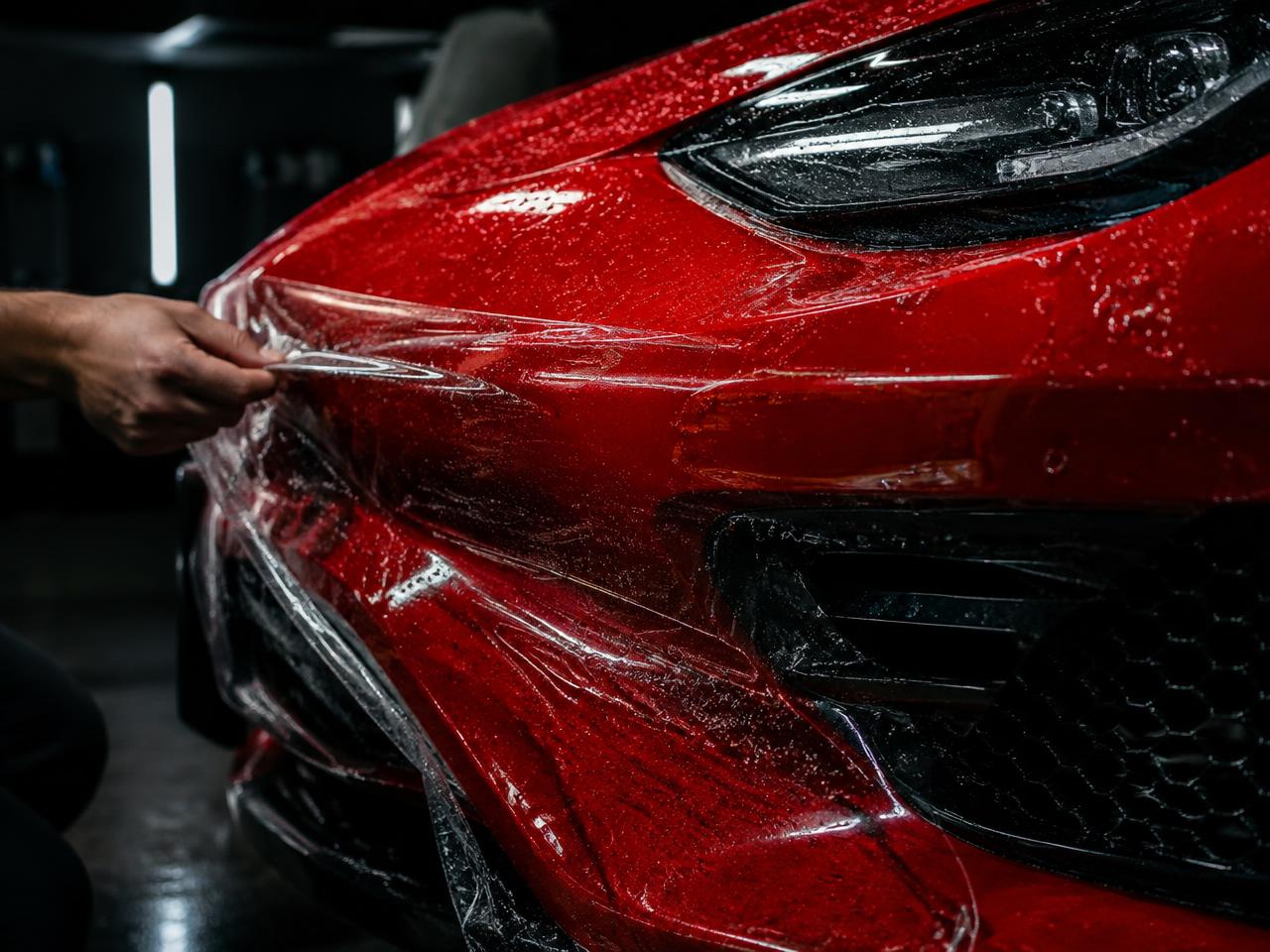
Paint protection film, or PPF, is a protective layer applied over suitable painted surfaces. Unlike decorative vinyl, its main purpose is to help reduce minor chips and abrasion while retaining the appearance of the paint beneath clear film.
Coverage starts with how the car is used. Freeway driving exposes front bumpers, hoods, fenders and mirrors to road debris; other areas can experience wear from daily use. Front-end and full-vehicle coverage involve different scopes. Discuss which panels matter most rather than assuming a package name includes every edge or surface you expect.
PPF is not an invisible repair. Existing scratches, chips and paint defects can remain visible through clear film, and unstable paint can make application or later removal unsuitable. A condition review establishes what preparation is needed before coverage is agreed. Film can reduce certain minor impacts, but it cannot prevent every scratch, dent or collision-related damage.
Product characteristics vary. Clear appearance, surface finish, care requirements and any manufacturer-stated properties must be checked against the actual film proposed. Do not assume that every PPF has self-healing behavior, identical durability or a warranty. A combined vinyl-and-PPF project also needs a compatibility review; the two materials should not be treated as interchangeable layers.
Benefits
WHAT YOU GET
Everyday paint protection
A protective film can help reduce some minor stone-chip and abrasion damage. The degree of protection depends on the product and exposure, not an all-damage guarantee.
Original color retained
Clear PPF allows the paint underneath to remain visible. Surface appearance and the visibility of edges depend on the selected film and coverage.
Coverage by priority
Discuss exposed front-end panels or broader coverage according to how you use the car. The estimate defines the areas included rather than leaving coverage ambiguous.
Common uses
- Front-end coverage for regular freeway driving
- Suitable paint on a newly acquired vehicle
- Mirror and exposed-panel coverage
- Broader protection while retaining the original paint color
PPF reduces some types of wear; it does not make paint damage-proof or conceal defects that need repair.
Process
HOW IT WORKS
- 01
Discuss your driving
Share vehicle details, current paint condition and the areas you want protected.
- 02
Review film & coverage
Confirm the proposed product, included panels and preparation considerations.
- 03
Receive your estimate
Review the defined coverage and scope, then arrange the next step with the team.
- 04
Prepare & protect
Suitable surfaces are prepared, film coverage completed and care guidance discussed at handover.
FAQS ABOUT PAINT PROTECTION FILM
How is PPF different from a vinyl wrap?
Vinyl wrap is primarily decorative: it changes color or adds graphics. PPF is designed for protection from certain minor road impacts and abrasion and is commonly clear. Choose based on whether you want a visual change, paint protection or a reviewed combination of the two.
Which areas should I protect first?
Front bumpers, hoods, fenders and mirrors often receive road debris, making them common priorities. Your driving, vehicle design and existing paint condition matter. Ask exactly which panels and edges are included in a proposed front-end scope; coverage names alone do not establish the details.
Does paint protection film stop every stone chip or scratch?
No. Impact size, speed and angle affect the outcome, and severe damage can exceed what film can absorb. PPF may help reduce minor wear, but it cannot prevent dents or collision damage. The proposed product's stated properties should be reviewed without promising damage-proof paint.
Should damaged paint be repaired before PPF?
Clear film can leave existing chips and defects visible. Peeling or poorly bonded paint may also create application and removal risks. The surface should be assessed before installation; any repair or preparation needed must be agreed separately rather than assumed to be included.
How much does PPF installation cost in Los Angeles?
Pricing depends on vehicle size and contours, the selected film, preparation and the exact coverage. Front-end and full-vehicle projects differ substantially in scope. Send your make, model, year and coverage priorities for a free estimate tailored to the work rather than a generic package price.
Does all PPF self-heal or come with a warranty?
No general claim should be made for every film. Features and any warranty depend on the specific manufacturer and product. Ask which film is proposed and request its documented care instructions and applicable terms before approving the project.
How do I wash a vehicle with PPF?
Follow the selected film's guidance for cleaning and initial care. Gentle methods and suitable products are preferable to abrasive brushes or concentrated high-pressure water at edges. If an edge lifts or the surface changes unexpectedly, ask for advice instead of polishing or applying an unverified treatment.
Related services
Full Vehicle Wraps
Complete vinyl coverage of every painted exterior panel for a total transformation.
ExploreWindow Tinting
Professional automotive window tinting for enhanced privacy, heat rejection, UV protection, and a refined appearance.
ExplorePartial Vehicle Wraps
Roofs, hoods, mirrors and accents — targeted coverage with a big visual impact.
Explore
Start your project
GIVE YOUR VEHICLE
A NEW IDENTITY
Share your vision
A few details about your vehicle and the look you're after.
We review the options
Films, finishes and coverage that fit your project.
You get a tailored plan
A clear recommendation and quote for your car.
Book your free estimate
Tell us about your vehicle and the work you have in mind. We'll review your project and arrange the next step.